
JOURNAL
English Lesson — Wednesday Morning: Architecture & System Design
Daily English practice for tech professionals. Morning session covering architecture vocabulary — idempotent, scalability, fault tolerance, eventual consistency — with pronunciation guide and real-world examples.
On this page
Wednesday Morning: Architecture English — Words That Make You Sound Senior
Architecture discussions are where your English either signals “I know what I’m talking about” or “I’m translating from Vietnamese in real time.” Today’s vocabulary are the exact terms used in design reviews, system design interviews, and architecture discussions at international companies.
🌟 Word of the Day: Idempotent
| Pronunciation | /aɪˈdɛmpətənt/ |
| Vietnamese | lũy đẳng — khi gọi nhiều lần vẫn cho kết quả như gọi một lần |
| Stress | aɪ-DEM-pə-tənt (4 syllables, stress on 2nd) |
🔊 Hear it: Cambridge · YouGlish
3 real-world examples:
- “Our API endpoints need to be idempotent — if the client retries a payment request, we should not charge twice.”
- “The DELETE operation is already idempotent by nature — deleting a resource that doesn’t exist returns 404, not an error.”
- “Making the job runner idempotent was the key fix — now crashed jobs can restart safely without duplicate side effects.”
Why this word matters: In system design interviews and architecture discussions, using “idempotent” correctly signals that you understand distributed systems at a deep level. It’s a word senior engineers use daily; juniors avoid it because they’re not sure how to pronounce it.
📋 Vocabulary Table: Architecture Terms
| Phrase | Vietnamese | Example |
|---|---|---|
| scalability /ˌskeɪləˈbɪlɪti/ | khả năng mở rộng — hệ thống handle nhiều tải hơn | “We designed for horizontal scalability from day one.” |
| fault tolerance /fɔːlt ˈtɒlərəns/ | khả năng chịu lỗi — tiếp tục hoạt động khi có sự cố | “The system has fault tolerance built in — a single node failure won’t bring it down.” |
| eventual consistency /ɪˈventʃuəl kənˈsɪstənsi/ | nhất quán cuối cùng — dữ liệu đồng bộ theo thời gian | “We use eventual consistency in the notification system — it doesn’t need to be real-time.” |
| throughput /ˈθruːpʊt/ | thông lượng — số requests/transactions xử lý được trong 1 đơn vị thời gian | “After the optimization, throughput improved from 500 to 2,000 RPS.” |
| bottleneck /ˈbɒtlnɛk/ | điểm nghẽn cổ chai — phần làm chậm toàn hệ thống | “The database is our current bottleneck — we need connection pooling.” |
🗣️ Pronunciation Guide
Today’s challenge sentence (say aloud 3 times):
“Making our payment API idempotent ensures fault tolerance — duplicate requests from retries won’t affect throughput or consistency.”
Breakdown:
- idempotent = aɪ-DEM-pə-tənt → stress the DEM, not the first syllable
- ensures = ɪnˈʃɔːz → in-SHORES (not “en-sure-s”)
- throughput = θruːpʊt → THROUGH-put (the “th” is voiceless: tongue between teeth)
- consistency = kənˈsɪstənsi → con-SIS-ten-cy
The /θ/ in “throughput”: Put your tongue lightly between your teeth. Blow air through. No voice. That’s /θ/. Practice: through, throughput, three, thread, threshold.
✏️ Exercise 1: Fill in the Blank
Choose from: idempotent, scalability, fault tolerance, eventual consistency, throughput, bottleneck
- “We designed the checkout service to be _______ — retrying a failed order submission will never create duplicate charges.”
- “Our main _______ right now is the single-threaded message queue — it’s holding everything back.”
- “The system uses _______ for the user profile service — a profile update might take a few seconds to propagate to all regions.”
- “After moving to microservices, horizontal _______ became much easier — we can add instances for any service independently.”
- “The load balancer adds _______ — if one service goes down, traffic is automatically routed to healthy instances.”
✅ Answers
- idempotent
- bottleneck
- eventual consistency
- scalability
- fault tolerance
✏️ Exercise 2: Translate to English
- “API của chúng tôi phải lũy đẳng — client có thể retry mà không lo tạo duplicate.”
- “Bottleneck hiện tại là database — throughput bị giới hạn ở 200 queries/giây.”
- “Chúng tôi dùng eventual consistency cho feed — không cần real-time, nhưng phải scalable.”
✅ Suggested Answers
- “Our API must be idempotent — clients can retry without worrying about creating duplicates.”
- “The current bottleneck is the database — throughput is limited to 200 queries per second.”
- “We use eventual consistency for the feed — it doesn’t need to be real-time, but it has to be scalable.”
💡 Idiom of the Day: “Single point of failure”
Vietnamese: Điểm lỗi duy nhất — một thành phần mà nếu hỏng, toàn bộ hệ thống sẽ sập
Examples:
- “Having only one database node is a single point of failure — we need at least a read replica for fault tolerance.”
- “The release process became a single point of failure when only one engineer knew how to do deployments.”
How to use it beyond infrastructure: This phrase works in team and process discussions too: “If only one person understands this codebase, they’re a single point of failure for the team.”
📺 Recommended Watching
| Resource | Why It’s Good | Time |
|---|---|---|
| System Design Interview – An Insider’s Guide | Real interview discussions, fast-paced English | 20-30 min/video |
| Hussein Nasser – Backend Engineering | Deep dives with clear technical English | 15-40 min |
| Arpit Bhayani – System Design | Design problems explained step by step | 10-20 min |
Today’s specific recommendation: Search “idempotency system design” on YouTube — watching how fluent speakers say and use this word is the fastest way to internalize it.
🎯 Today’s Challenge
Before your next technical discussion or design meeting:
Write 2 sentences about a system you work on using today’s vocabulary. Something like:
“Our [service name] is not currently idempotent — if a request is retried after a timeout, we could create duplicates. Our main bottleneck is [X], which limits throughput to [Y] requests per second.”
Say it out loud. Then say it in your next standup, design discussion, or to a colleague. That’s how architecture vocabulary becomes automatic.
Tomorrow: Thursday Morning — Professional Communication (meetings, emails, giving and receiving feedback in English) 💬
Related reading
08 Oct 2026 · 4 min read
architecture
English Lesson — Wednesday Morning: Failover & High Availability Vocabulary
Wednesday architecture English: failover, pronunciation drills, a vocabulary table, two exercises, and an idiom every on-call engineer should know.
Read more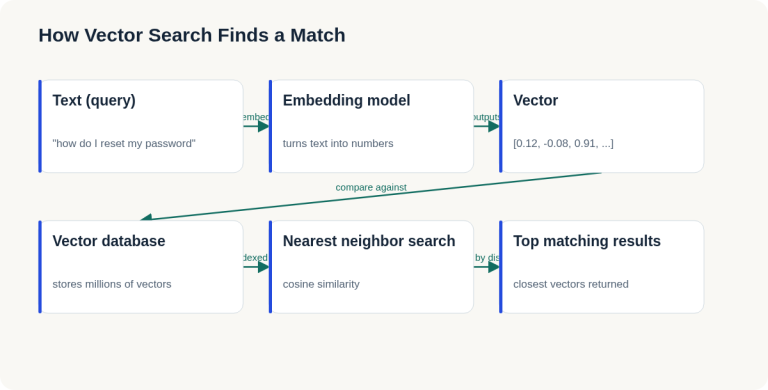
07 Oct 2026 · 4 min read
ai
English Lesson — Tuesday Morning: Embeddings & Vector Search Vocabulary
Daily English practice for tech professionals: embed, vector database, and nearest neighbor search vocabulary with pronunciation and exercises.
Read more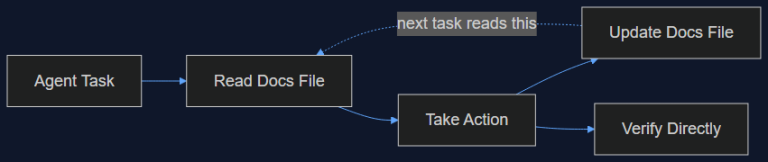
06 Oct 2026 · 5 min read
agentic coding
My Agent Didn't Forget. It Never Wrote Anything Down.
A Hacker News post about agent memory landed the same week I'd debugged a real dedup failure caused by exactly the problem it describes. I tested the fix against my own incident — here's what held up and what didn't.
Read more
Discussion
Comments are reviewed before publication. Your email is kept private.