
JOURNAL
Tech Pronunciation Drills: Say It Right the First Time
Shadowing scripts, tongue twisters, and pronunciation drills for the tech words Vietnamese developers mispronounce most. Practice out loud for 5 minutes and build real confidence.

On this page
You know the word. You’ve read it a hundred times. But when it’s your turn to speak in the standup — silence. Or worse, you say it and a colleague tilts their head.
This happens to almost every Vietnamese developer working in an international team. We read English constantly, but we rarely say it out loud. Our brain stores the meaning, but our mouth hasn’t practised the shape.
Today’s post is pure practice. No theory. Just say these words and phrases out loud — right now, in whatever room you’re in.
Why Vietnamese Developers Struggle With These Sounds
Vietnamese is a tonal language with very clear syllable boundaries. English is different: it blends syllables, swallows sounds, and stresses in unexpected places.
The hardest sounds for Vietnamese speakers are:
- th — tongue between teeth (neither “d” nor “t”)
- v vs f — Vietnamese “v” sounds like English “y”; English “v” vibrates
- r — English “r” is not rolled, tongue doesn’t touch anything
- short vowels — the difference between “ship” /ɪ/ and “sheep” /iː/
- final consonants — English words often end in hard stops: “fixed”, “merged”, “worked”
Let’s drill each one.
🗣️ Key Phrases to Say Out Loud
Say each phrase 3 times. Slow → Normal → Fast.
“The thread is blocked.” — /ðə θrɛd ɪz blɒkt/ Focus: “th” in “the” (/ð/ — voiced), “th” in “thread” (/θ/ — unvoiced)
“We need to verify the value.” — /wiː niːd tə ˈvɛrɪfaɪ ðə ˈvæljuː/ Focus: “v” in “verify” and “value” — upper teeth touch lower lip
“The request was rejected.” — /ðə rɪˈkwɛst wɒz rɪˈdʒɛktɪd/ Focus: “r” at the start — lips slightly rounded, tongue back, no roll
“This feature ships on Friday.” — /ðɪs ˈfiːtʃər ʃɪps ɒn ˈfraɪdeɪ/ Focus: “ships” /ʃɪps/ vs “sheep’s” /ʃiːps/ — short vowel
“I fixed the bug in the merged branch.” — /aɪ fɪkst ðə bʌɡ ɪn ðə mɜːdʒd brɑːntʃ/ Focus: “fixed” ends in /kst/, “merged” ends in /dʒd/ — say ALL the final sounds
“Three failed tests thrown in the build.” — /θriː feɪld tɛsts θrəʊn ɪn ðə bɪld/ Focus: “three” and “thrown” both start with /θr/ — tongue out, then roll back
“The review raised a few valid concerns.” — /ðə rɪˈvjuː reɪzd ə fjuː ˈvælɪd kənˈsɜːnz/ Focus: “review” and “raised” — practice the /r/ at the start of both
📚 Vocabulary
| Word | Pronunciation | Meaning | Common mistake |
|---|---|---|---|
| threshold | /ˈθrɛʃhəʊld/ | ngưỡng, giới hạn | Saying “treshold” — missing the /θ/ |
| verify | /ˈvɛrɪfaɪ/ | xác minh | Saying “werify” — Vietnamese “v” sound |
| retrieve | /rɪˈtriːv/ | lấy lại, truy xuất | Saying “re-trieve” with rolled r |
| fixed | /fɪkst/ | đã sửa | Saying “fix” — dropping the /t/ |
| throughput | /ˈθruːpʊt/ | thông lượng | Saying “tru-put” — missing /θ/ |
| vulnerable | /ˈvʌlnərəbl/ | dễ bị tấn công | Saying “wulnerable” — need /v/ vibration |
| architecture | /ˈɑːrkɪtɛktʃər/ | kiến trúc | Stressing wrong syllable: AR-ki-tek-cher |
🎯 Practice Now
Exercise 1: The /th/ Ladder
Put your tongue between your teeth and blow air. That’s /θ/ (unvoiced). Now add your voice. That’s /ð/ (voiced).
Read these pairs and feel the difference:
think → this
thread → the
three → there
throw → though
threshold → this threshold
Now say this full sentence:
“I think this threshold is too low, though the thread count looks fine.”
Exercise 2: V vs F Shadowing
“V” — upper teeth touch lower lip, voice ON: vvvvv “F” — upper teeth touch lower lip, voice OFF: fffff
Practice:
five → live → verify → value
fail → file → feature → frontend
vendor → viewer → version → variable
Full sentence drill (say 5 times):
“The frontend vendor failed to verify the final value.”
Exercise 3: Final Consonant Clusters
Vietnamese syllables rarely end in consonant clusters. English tech language is full of them. Don’t swallow the endings.
fixed    → /fɪkst/    → say: "fix-t"
merged   → /mɜːdʒd/   → say: "merge-d"
worked   → /wɜːkt/    → say: "work-t"
deployed → /dɪˈplɔɪd/ → say: "deploy-d"
patched  → /pætʃt/    → say: "patch-t"
pushed   → /pʊʃt/     → say: "push-t"
Now string them together:
“I fixed the bug, merged the branch, and deployed the patched version.”
Say it slowly first, then at normal speed.
Exercise 4: Tech Tongue Twisters
These feel silly but they work. Repeat 3 times each:
For /θ/ practice:
“Three threads threw thirty-three thresholds.”
For /r/ practice:
“The review raised real reliability risks.”
For /v/ and /f/ practice:
“Five frontend volunteers verified every value in the version file.”
⏱️ 5-Minute Drill
Read this script out loud. Time yourself. Try to finish in under 5 minutes, clearly.
“Good morning, everyone. Quick update from my side.
Yesterday I fixed two bugs — the first one was in the authentication flow, where the token was being verified incorrectly. The second was a performance issue: the database query threshold was set too low, which caused failures under high throughput.
Both changes are merged and deployed to the staging environment. I ran the full test suite — all three hundred tests passed.
Today, I’m working on the frontend validation feature. I need to verify that each input value falls within the allowed range before it gets sent to the API. I think I can finish this by Friday.
One thing I want to flag: the third-party vendor’s API has a known vulnerability in older versions. I recommend we review which version we’re using and upgrade if needed.
That’s all from me. Any questions?”
Checklist after your drill:
- Did I say “th” with my tongue between my teeth?
- Did I say “verified”, “value”, “vendor” with real /v/ vibration?
- Did I say “fixed”, “merged”, “deployed” with the final consonants?
- Did I stress the right syllable in “architecture” and “vulnerable”?
If you caught yourself slipping on any of these — great. That’s the point. Do it again tomorrow.
Pronunciation is a physical skill, like typing speed. You don’t get better by knowing the rules. You get better by repeating the motion until your mouth does it automatically.
Five minutes a day. Out loud. That’s all it takes.
Related reading
07 Oct 2026 · 4 min read
ai
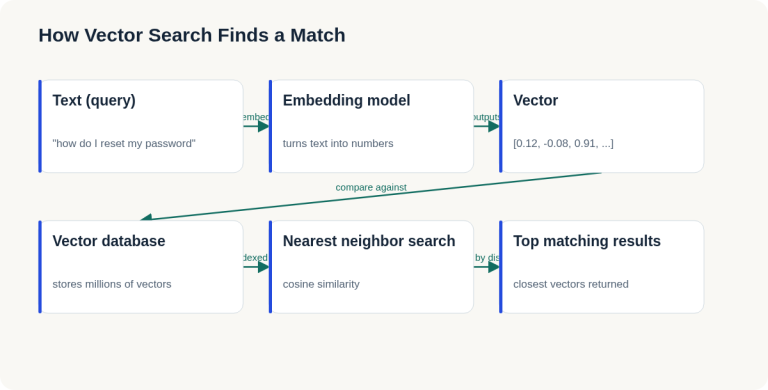
English Lesson — Tuesday Morning: Embeddings & Vector Search Vocabulary
Daily English practice for tech professionals: embed, vector database, and nearest neighbor search vocabulary with pronunciation and exercises.
Read more
05 Oct 2026 · 4 min read
english-lesson
English Lesson — Monday Morning: Networking & API Reliability Vocabulary
Daily English practice for tech professionals. Morning session covering timeout, retry, and API reliability vocabulary with pronunciation guide, exercises, and real-world examples.
Read more04 Oct 2026 · 4 min read
english-lesson
English Lesson — Sunday Morning: Weekly Review — Top 5 Words & Idioms
Daily English practice for tech professionals. Morning session covering a review of this week's top words and idioms with pronunciation guide, exercises, and real-world examples.
Read more
Discussion
Comments are reviewed before publication. Your email is kept private.